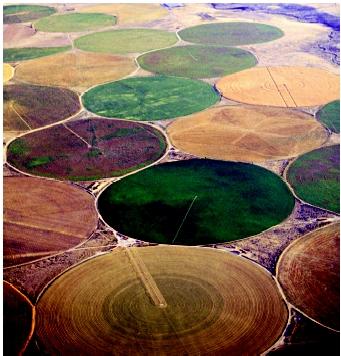
Weathering and Erosion-
Weathering and Erosion is my faveorite subject to learn about because we were aloud to pick our partners and we got to take pictures of our choice outside and then got to pick how we wanted to present our topics. I also liked it because we had a lot of time to complete it and turn it in.
 Geology-
This is second because of the activities we did. Learning about the plate tectonics was easy, and we spent a lot of time on it, so thats also why it was my second faveorite. I thought it was interesting how earthquakes happen and volcanoes erupt by learning about plate tectonics.


Weather and Climate-
This is last because it everything about this unit was hard for me. I got the levels of the atmosphere mixed up all the time. And I failed all of my tests to because I didn't understand anything.
Weathering and Erosion is my faveorite subject to learn about because we were aloud to pick our partners and we got to take pictures of our choice outside and then got to pick how we wanted to present our topics. I also liked it because we had a lot of time to complete it and turn it in.
 Geology-
 This is second because of the activities we did. Learning about the plate tectonics was easy, and we spent a lot of time on it, so thats also why it was my second faveorite. I thought it was interesting how earthquakes happen and volcanoes erupt by learning about plate tectonics.

Astronomy-
This is my third favorite topic to learn about this year. It's my third because it was confusing with the moon phases. Another thing is, the way other planets orbit in different directions and some have different atmospheres. I liked it because I used to want to learn more about space because I wanted to work with NASA. After studying space and the planets and the rockets, I realized that space wasn't for me. It was fun to learn about but most of it was hard and confusing.
This is my third favorite topic to learn about this year. It's my third because it was confusing with the moon phases. Another thing is, the way other planets orbit in different directions and some have different atmospheres. I liked it because I used to want to learn more about space because I wanted to work with NASA. After studying space and the planets and the rockets, I realized that space wasn't for me. It was fun to learn about but most of it was hard and confusing.

Earth's Waters-
This is fourth because of the activities. When learning about the winds and the activity with the boat, it was hard to complete. And the winds were confusing and easy to mix up. We went through everything really fast to, so it was hard to pick up.
This is fourth because of the activities. When learning about the winds and the activity with the boat, it was hard to complete. And the winds were confusing and easy to mix up. We went through everything really fast to, so it was hard to pick up.

Weather and Climate-
This is last because it everything about this unit was hard for me. I got the levels of the atmosphere mixed up all the time. And I failed all of my tests to because I didn't understand anything.
Even though I didn't enjoy everything about all of the topics, I always enjoyed something or had fun doing something with a topic.